The Hypertrophy Protocol
- Intensity Zone: 65% - 80% of 1RM
- Rep Range: 8 - 12 Reps
- Rest Periods: 60 - 90 Seconds
- Primary Driver: Metabolic Stress & Mechanical Tension
The Science of Muscle Growth
Hypertrophy is not just about "feeling the burn." It is a physiological adaptation driven by three main mechanisms: Mechanical Tension, Muscle Damage, and Metabolic Stress.
Research indicates that the 70-80% 1RM range is the "sweet spot" for hypertrophy because it allows for a high volume of work to be performed with sufficiently heavy loads.
Why Percentage-Based Training Matters
Many lifters train by "feel" (RPE), which is valid, but using accurate percentages ensures you are objectively overloading the muscle. If your Bench Press 1RM is 100kg, performing sets of 10 reps at 70kg forces a specific adaptation that 50kg (too light) or 90kg (too heavy for volume) cannot replicate.
4-Week Hypertrophy Block Example
Day 1 Upper Body Push
| Exercise | Sets | Reps | Intensity |
|---|---|---|---|
| Bench Press | 4 | 10 | 70% 1RM |
| Overhead Press | 3 | 12 | RPE 8 |
Day 2 Lower Body
| Exercise | Sets | Reps | Intensity |
|---|---|---|---|
| Squat | 4 | 8 | 75% 1RM |
| RDL | 3 | 10 | 65% 1RM |
Technique Library
Proper form is critical when performing high-volume hypertrophy work to prevent overuse injuries.

Barbell Squat Technique
Keep spine neutral and hit full depth. Focus on controlling the descent.
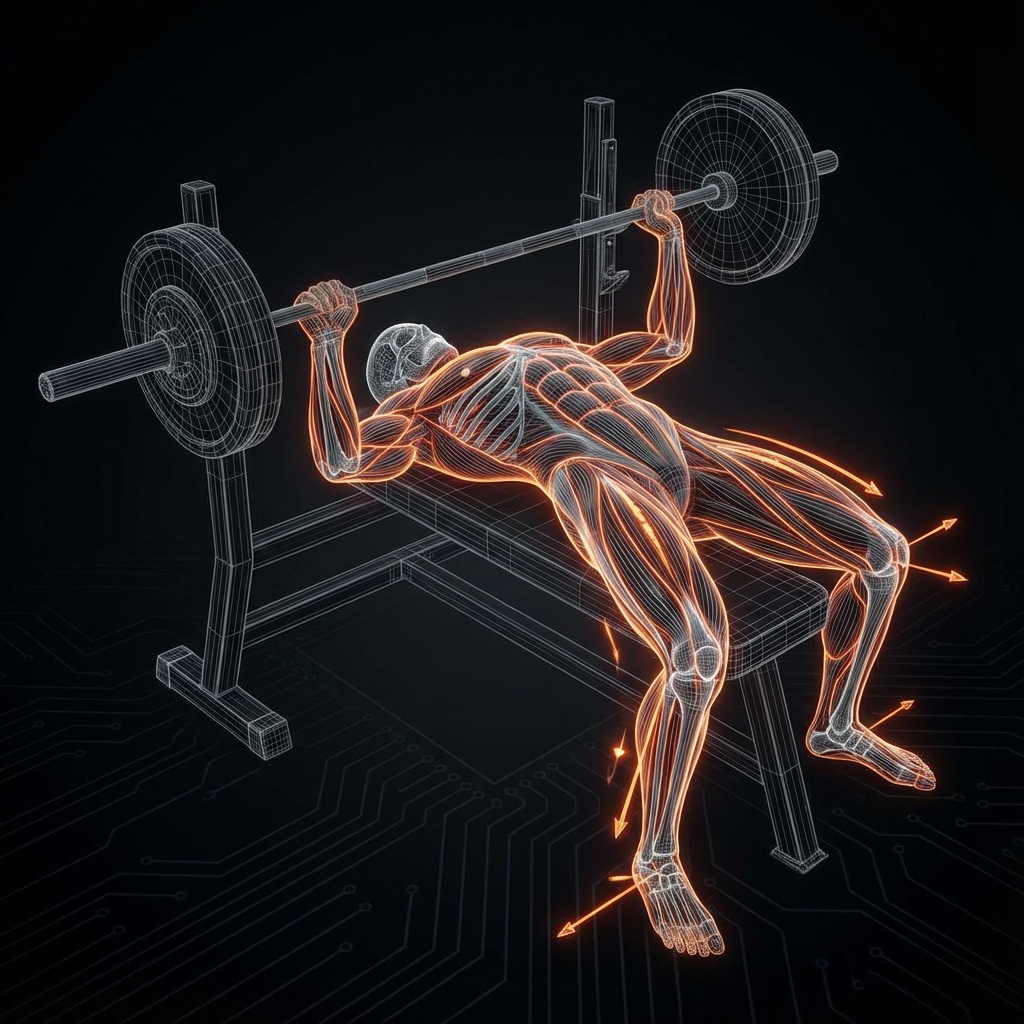
Bench Press Setup
Retract scapula and drive feet into the floor. Touch the chest under control.
Frequently Asked Questions
Is 3x10 the only way to build muscle?▼
No. While 3x10 is a classic hypertrophy scheme, muscle growth can occur in any rep range (5-30 reps) as long as you are approaching failure. However, the 8-12 rep range is generally most efficient for balancing volume and fatigue.
Next Phase: Strength →
You've built the muscle (Engine). Now learn how to make it stronger (Horsepower) with high-intensity training.
Start Strength PhaseAbout the Author
Important Medical Disclaimer
The training programs, techniques, and nutritional information provided on this website are for educational and informational purposes only. They do not constitute medical advice or professional training instruction.
Resistance training involves inherent risks of injury. You should consult with a qualified healthcare professional or physician before starting any new exercise program, especially if you have a history of heart disease, high blood pressure, or other medical conditions. By using this information, you agree that the authors and website owners are not liable for any injuries, damages, or losses sustained in connection with the use of this content. Always listen to your body and stop immediately if you experience pain, dizziness, or shortness of breath.